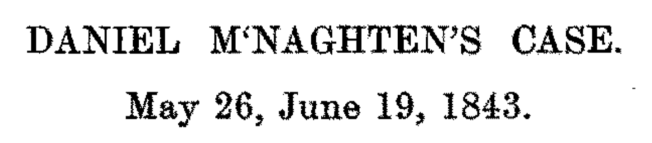
ever since I learned about the “turned comma,” the rotated comma type that typographers once used as a superscript “c,” Michael G. Collins, M‘Culloch and the Turned Comma, 12 Green Bag 2d 265 (2009), I can’t help but notice when people get it wrong
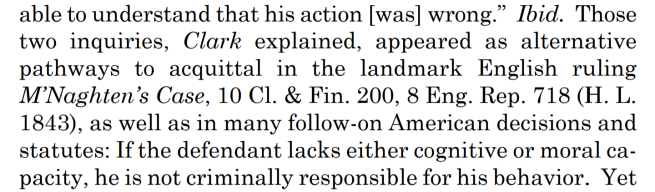
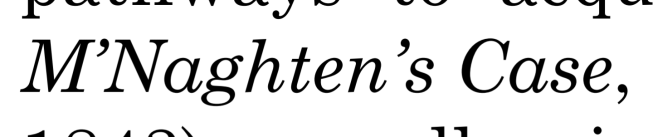
Justice Kagan, for example, got it wrong in Kahler v. Kansas, No. 18-6135, slip op. at 2 (U.S. March 23, 2020):
word processors can’t rotate type, but we could approximate the “turned comma” much better if we used a single open quotation mark (‘) instead of an apostrophe (’), as Justice Kagan does here
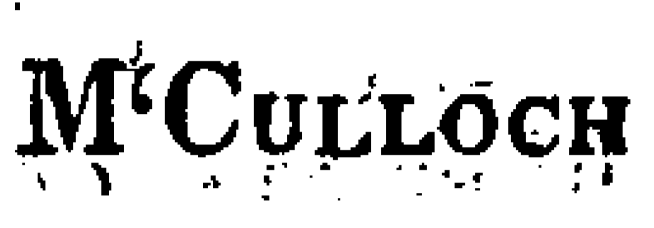
or we could just use “c,” as we do for McCulloch v. Maryland, 17 U.S. (4 Wheat.) 316 (1819), even though the report reads:
Tags:
#language #the more you know #embarrassment squick? #this post was queued because my to-reblog list is too long and I didn’t want to dump it on you all at once