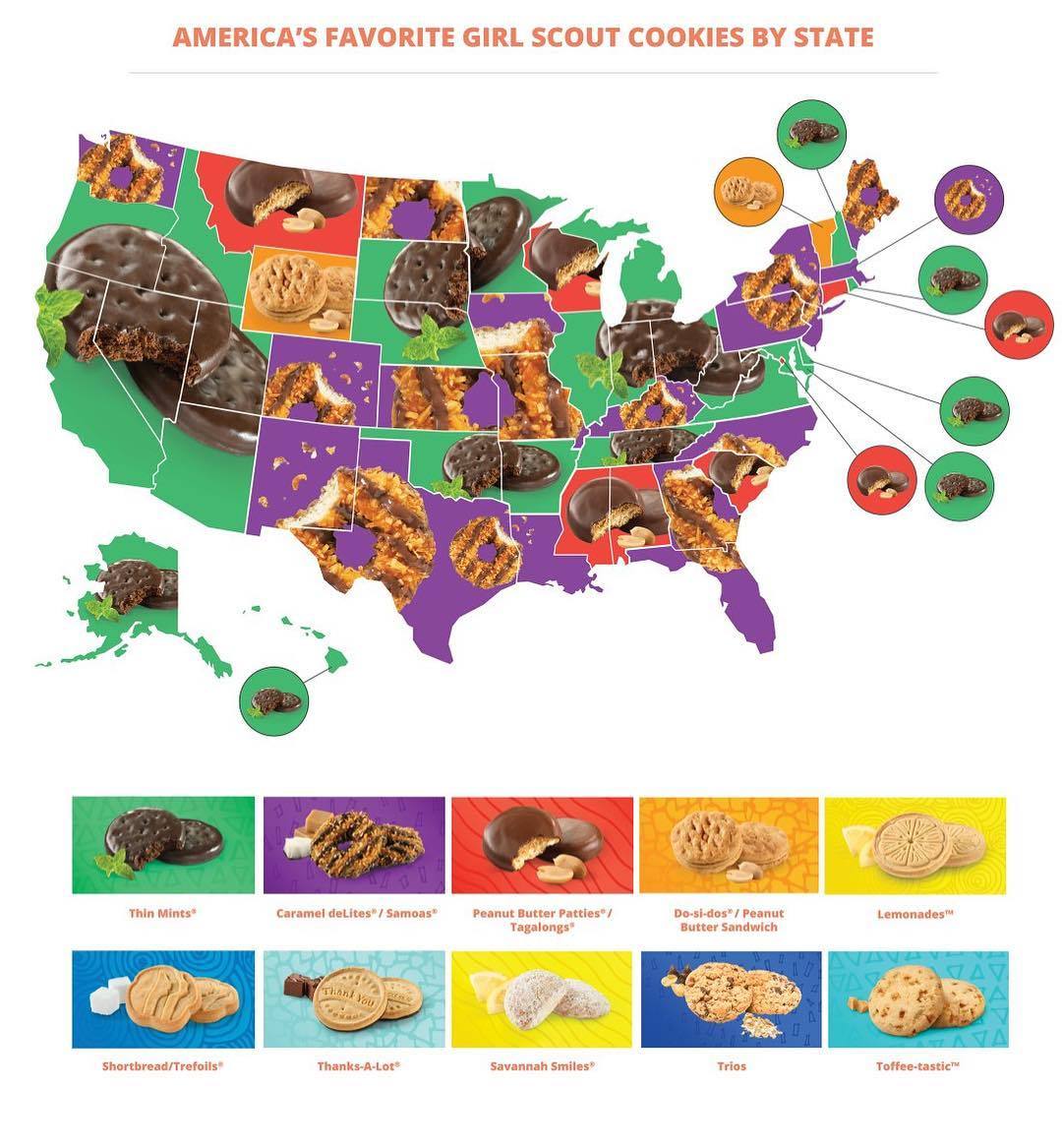
wilwheaton:


moreprivilegedthanyou:

100% Accurate.


Tags:

#in what goddamn universe is *New Jersey* #land of 100F-for-weeks-on-end summers #where it can easily be Boxing Day by the time you have (just barely) enough snow to leave a footprint in #where it rarely goes much below 20F #a snow-covered moonscape #like maybe compared to fucking Georgia or something but that’s not exactly *saying* much #home of the brave #maps

moral-autism:

moral-autism:

moral-autism:

moral-autism:

Laptop is in the shop almost certainly overnight at least. I can’t find the power cable for my old 2010 one. I probably can’t set up my Raspberry Pi, I know I don’t have the right adapter for it because I broke it. I might be able to use someone’s old AlphaSmart?

Laptop still in shop. I should get info tomorrow at least, emails say I’ll be called after 48 hours. I forgot to ask about the AlphaSmart.

Honestly I think the amount of stuff I’ve done and the fact that I have had chunks of happiness over the past several days and not injured myself at all is really suggestive of a lot of mental health improvement. Maybe it’s experiences, maybe it’s having more produce and sardines, but something’s working.

This is still really difficult for me, though.

Update: Apple called this morning to say that I have a hard drive problem (that affects booting from USBs and persists when the drive is wiped, yet doesn’t present any issues when copying files off the drive? seems unlikely) or a motherboard problem. Apple wanted to charge $475 to fix it, which I declined.

I was able to install Xubuntu on it from USB, and it is “working”, in that it still can’t talk to the battery at all and that it seems to freeze sometimes. I’ll probably try to transfer files later today. I am still overall dissatisfied with this state of affairs, though.

I am happy that I have a computer right now, but this does create a bit of a dilemma. I’m not sure I can justify replacing this computer just because I want to play some video games without Linux support and be able to see how charged my battery is. I guess this might get worse in the future, which might also justify replacing it. I sure don’t know how to replace a motherboard myself, and it sounds like a huge pain.

Laptop status update:

  • It gets completely nonresponsive and requires a forced shutdown sometimes more than once daily
  • Still doesn’t show the battery level (acpi won’t work)
  • Sleep/wake issues, does not travel well (overheats in bag)
  • Cannot shut down properly

I also still haven’t put my files on this thing. “Mount a 200GB disk image, on an HFS-formatted drive, of an Ext4 partition with logical volume management, and then figure out how to decrypt an encrypted user folder, with the password but without being able to log into it” is something which sounds like it should be technically feasible but also kind of sounds like a nightmare, and I have a feeling that my current computer setup is really not my long-term setup. I can get files from SpiderOak but that will take a while and they won’t be as recent.

What’s going on with the disk image was that booting up my computer in Target Disk Mode and getting the data off of it, using a connected Mac, was such that I couldn’t mount or even really properly interpret a partition with logical volume management, so I just frickin’ copied the whole thing. Yadda yadda I should make more frequent cloud backups or actually figure out how to do regular nice usable backups to a drive or both. At least I have the files. Probably.

I will apparently have some support in repairing or replacing this machine, which biases me towards doing so. Also, I’ll want to use it for taking lecture notes and other time-sensitive outside-the-home uses, so freezing and being a pain to store while asleep are problematic. If I repair it, I’m pretty sure it needs a logic board replacement which I would really rather not do myself. (I don’t have the right screwdrivers, a good workspace, etc.) If I replace it, I should probably replace it with a Windows machine, because the only times I’ve used OSX recently have been gaming and taking the easy route in dealing with printers/scanners.

I don’t know much about shopping for non-Macs or using whatever the latest version of Windows is. Every time I interact with recent proprietary operating systems I do get the vague feeling that they are tending in a direction my computer is not, such that my experience with Windows XP and 2016-and-previous versions of OSX won’t necessarily generalize.

If anyone has advice on any of the above, let me know.

For replacement laptops, eBay is great, especially for people located in the United States. The laptop I am typing this on, which I recently bought from one of the refurbished-laptop stores that sell through eBay, was USD$300 *after* international shipping and import taxes. For an American, it would have been around USD$250.

My usual strategy for laptop buying is “get the best PC USD$300 can buy”. I generally find laptops at that price point strike a good balance between “cheap” and “will keep pace with my needs for the approximately three years it takes for a used laptop to die of old age anyway” ; if you need more from a laptop than I do, you may need a higher budget.

You might not need me to tell you this, but make sure you know what kind of specs you need in a computer (RAM quantity, storage space, number of CPUs, dedicated vs basic graphics, etc), and add a little to leave room to grow. When searching, keep an eye out for laptops that have been discounted because they have problems in areas you don’t care about or are willing to live with: my previous laptop was unusually cheap because it was incapable of standby and took several minutes to come out of hibernation, which was pretty easy to adapt to for someone with my usage pattern.

Since I only just got a Windows 10 machine yesterday, I can’t say much about it. I *can* say that I’m pretty much just keeping that partition around for gaming, and intend to continue using Ubuntu for my primary OS.

Rather than a dedicated backup drive, I just keep a full copy of my files on my smartphone [link], where they are readily accessible and can in fact–in most cases–be accessed directly from the drive itself. I gather that a lot of people have too much data to pull that method off easily, but even if you can’t do it *yet*, maybe keep it in mind for if/when the progression of smartphones’ increasing storage space catches up to your needs.


Tags:

#reply via reblog #home of the brave #Brin owns *two* 2010’s computers now #(that is a category tag; I actually own four right now) #(it’ll drop to three probably-tonight when I give Dad my old laptop to replace his broken one) #(and I haven’t yet had a chance to sell off my old smartphone but I still plan to) #(morning edit: I think it probably qualifies for this tag too:) #adventures in human capitalism


{{next post in sequence}}

{{previous post in sequence}}


justice-turtle:

You know, as long as I’m thinking about it, let’s run the numbers here, maybe y’all can point out some things I’m overlooking that would make living either more or less expensive than I’m estimating.

Keep reading

>>Depending on what kind of deal I could get on my internet service, it could cost anywhere from $50-$100 a month.<<

…holy shit, I thought paying USD$80 for four people was bad. (I mean, it kind of *is* bad, I’m pretty sure we could save a couple dozen dollars a month if we hadn’t gone and locked ourselves into these guys’ email-address system. We were all young and foolish once.)

>>estimate that everybody’s car drives at least 15k miles a year<<

That’s approximately 40 miles/day on average (including weekends). Does that seem like a reasonable assessment of what a job-having!you is likely to need? It seems kind of high to me; maybe USAA is assuming a pretty long commute?

(Would it be feasible for you to pull your actual figures from when you were a call-center worker by looking at old bank records and such? My own estimates of what my family is likely to spend in the future always start with a baseline of what we actually spent in previous years. I have Google Sheets breaking down our expenses (and incomes) for each of 2016, 2017, and 2018 (updated quarterly) by category.)

>>And iirc my grandfather used to say that you should budget as much for car repairs / maintenance as you do for petrol<<

Mind you, petrol was rather cheaper in your grandfather’s day. I don’t know about you, but our car-repair cost in 2017 equalled 55% of our petrol cost.

>>Meat is fucking expensive, okay? :P<<

It occurs to me that you, too, have a generally cheaper country to the south, not so far away. Can you pull any New-York-style exploitation of cost-of-living differences in Mexico? It’d be pretty bargain-hunty, but I seem to recall you once went to a Mexican dentist to save money, so there’s some precedent. (There are extra language-barrier and border-security issues compared to Canada-to-America cost-of-living tricks, though. Not sure how big those effects are.)

For smaller-scale bargain-hunting, you can try checking around to see if there are any little butchers or anything that sell meat cheaper than your usual grocery chains. The cheapest meat seller in this county (that I know of) is a non-chain grocery store that we overlooked for ages until a friend told us about how cheap their steaks were.

Also, did you get that PM I sent you a while back about how to use Amazon credit at Safeway?

(The offer to sell you Amazon credit at 10% off is still open, if you ever want. Conversion-via-electronics is workable, but it’s a pain and it means the 10% lost goes to some random person on Craigslist. You could pay in USD and I’d deal with the currency-conversion issues myself (and maybe figure out a trick that’ll let me funnel it directly to New York trips and never pay any conversion fees at all; still working on that).)

I also keep a spreadsheet of food prices expressed in cents-per-calorie. Some of them are much cheaper than I expected, notably peanut butter (as cheap as ramen!) and bananas. Plus, even when you’re specifically looking for meat, there’s a lot of price spread between different meats. (Mom occasionally says stuff about not really being able to afford a diabetic-friendly diet, and I always tell her there’s still *relative* cheapness to be found even within medical restrictions. If she thinks she ought to spend less on food, she can replace some of her canned tuna with (non-canned) chicken (which costs half as much).) I can’t be too specific without more knowledge of your own local food prices than I have, but some things to keep in mind.

>>Do any of you know what one normally spends on this sort of thing?<<

I don’t. My expense-tracking spreadsheets work at the granularity of a transaction, which means most sundries get lumped in with groceries under “things bought at grocery stores”.

>>I am reluctant to switch too much up on that, as due to some interesting bits of luck, I am currently month-to-month rather than on a contract.<<

Is that difficult to come by in America? (And here they told me Canada had some of the worst cell plans out there, far worse than America.)

Recently I systematically went through every cell brand with coverage in this area and compared their plans (all of them had no-contract options, though they weren’t always front-and-centre), which is why I was able to find Dad a $40/month plan big enough to cover his work needs. The main thing I learned was to *never ever* buy from a flagship brand: buy from a little reseller or offshoot brand instead. (Holy shit, do the Big Three ever overcharge on their flagship-brand plans.) But, again, the Canadian cell-plan situation is famously weird, so I don’t really know what Arizona is like with that.

How much mobile data do you have? How much do you need? How much data can you offload onto non-mobile-data versions of the same thing? (…she says, as someone who carries an offline copy of Wikipedia with her at all times and has memorised the location and size of every public Wi-Fi hotspot within walking distance†.) Can you arrange to downgrade? (I know you need some mobile data for mental-health reasons, but like with Mom eating chicken instead of fish, sometimes there’s still room to do less-expensive versions of a necessary expensive thing.)

>>Laundry. Roughly $5 a week at the laundromat for one large load of laundry. This covers the amount of laundry I generate, which I know because my aunt hauls me to the laundromat every week. Still, it adds up; $260 a year for laundry, not counting detergent (which goes under Sundries). *sigh*<<

Does that mean it’s safe to assume the Hypothetical Apartment won’t come with a washing machine and dryer? I’ve always had a washing machine and dryer in my house, so I have no idea how to optimise laundromat usage. (My laundry optimisation looks like “run the machine during off-peak hours to reduce its electricity cost”.)

>>Clothes. Once again I haven’t the faintest notion how much these actually cost.<<

I haven’t bought much in the way of new clothes since I started keeping track of expenses (I haven’t finished wearing out all my clothes from before), so neither do I. When I do buy clothes these days, I generally buy from thrift stores, but I suspect you’d have a lot of trouble trying to find anything there in your size.

(Mom is somewhere around your size, and she managed to get a 50%-off birthday coupon from a Canadian plus-size clothing chain after signing up for their mailing list.)

You could really do with some housemates who don’t suck so you could get some bulk discounts happening, but if that were actionable advice you’d probably have done it already.

*hugs*

†And keeps being surprised and kind of horrified by how little attention her offline friends and acquaintances pay to minimising their data usage. (Do you know how many people I’ve met at Wi-Fi-blanketed Pokemon gyms who *didn’t know* they were in a Wi-Fi zone? (No wonder they’d been so surprised when I told them I was able to play Pokemon Go 1 – 2 hours/day on a 100 MB/month plan.) Do you know I once had a friend burn through her entire month’s allotment in four days, and she neither knew nor cared why?)


Tags:

#reply via reblog #adventures in human capitalism #our home and cherished land #home of the brave #disordered eating?

How to credit card

serinemolecule:

spiralingintocontrol:

serinemolecule:

Using a credit card is like paying with cash, except you also get free money and other benefits.

“But Serine, there’s no such thing as a free lunch! [1] Where does the money come from?”

I’m glad you asked. When you buy something with cash, the seller gets 100% of what you pay. When you use a credit card, the seller gets around 97% of what you pay, and the companies involved in handling the payment get around 3%. [2] This includes the credit card company, which is very willing to give you money and other benefits if you choose them to get the rest of that 3%. [3]

Sellers are willing to give up 3% because handling credit cards is so much easier than cash. You don’t have to count change, and you have a computer record of who paid how much, so it’s easy to figure out who’s lying when the customer said they paid. Not to mention it eliminates the problem of cashiers stealing money by pocketing customers’ money [4]. Also not to mention the store wants the customer to be happy (happy customers spend more) (customers hate having to pay a fee to use a credit card).

Anyway, in the general case, credit cards are basically always a good thing, and you should basically always use them. [5]

When not to credit card

If you are irresponsible with money, and are afraid you will spend more money than you have, you should not use a credit card. Never carry a balance on a credit card (pay off less than the total amount you owe), it piles up and ruins your life. You should spend money on getting things you want, not on paying off interest.

What benefits you get from using credit cards

Most credit cards will give you 1%-2% cash back (for each dollar you spend, you get a certain percentage back in free money).

Basically all credit cards give you the ability to chargeback. This means that if some business steals your money (charges you more than you owe, etc) and you can prove it, you can call the credit card company and tell them to take your money back. Note that this is a last resort (only to be used after you contact the business and they don’t give you your money back), and will generally result in the business completely cutting off contact with you (for instance, if you chargeback Steam, you’ll lose access to all your Steam games etc).

Credit cards also act as a short-term loan. If you ever need a payday loan, a credit card will give you significantly less interest than an actual payday loan. You never want a credit card as a long-term loan (the rates are horrible), but they actually give you close to the best possible rate for a short-term loan. Just remember that debt is evil and never to fall into it.

Other benefits vary wildly and are specific to the card, but common benefits include various forms of insurance (car insurance on any rental car you rent with the credit card, warranty on anything you buy, etc).

Which card to get

It’s actually really easy to choose a credit card. If you’re in the US, here is Serine’s One-Step Guide:

Do you spend more than $2500 per year in travel (hotels, flights, Ubers, etc) and restaurants?

– No -> Get the Citi DoubleCash

– Yes -> Get the Chase Sapphire Reserve

In some extremely obscure situations, you might want other cards, but I’ll cover those after I cover these two cards.

The Citi DoubleCash

The Citi DoubleCash has no yearly fee, and gives you 2% cash back, effectively. This makes it better in every way than most other cards.

Some cards give 1% cash back and a rotating 5% category. They will give you a headache trying to optimize them and you will still get less money back compared to the Citi DoubleCash, in the end.

Some cards give you points that you can spend using a complicated procedure, which will be worth approximately 2% if you can spend them perfectly. Just use the Citi DoubleCash, and skip the complicated procedure.

The Chase Sapphire Reserve

The Chase Sapphire Reserve has a $450 yearly fee, and gives a huge number of benefits that are totally worth it if you spend a decent amount of money. Also it looks really cool because it’s metal and black. [6]

It comes with $300 of travel credit per year, which you can blow through in, like, a single flight, or like a few days of hotel, or like a normal amount of Ubering (anyone who’s even considering this card should have no problem spending that much). So the yearly fee is effectively $150.

It gives you 3 points per dollar on travel and restaurants, and 1 point per dollar on anything else. “Points” can and should be converted to frequent flyer miles, at which point they’re worth 2-4 cents each if you put them towards international flights, especially international first-class flights.

It also comes with a pile of side-benefits, like free Priority Pass membership (gives access to a bunch of airport lounges), and free TSA Global Entry (lets you basically skip airport security and customs).

Assuming you spend enough and you’re willing to spend the effort optimizing flyer miles, it basically pays for itself and the other benefits are free.

Honorable Mention: The AmEx Platinum

I know I didn’t mention the AmEx Platinum at all, but if you have lots of money and want the best benefits on a card (or you take a lot of flights), the AmEx Platinum is probably the card for you.

The AmEx Platinum costs $550 per year, and is a luxury card pretty similar to the Chase Sapphire Reserve. Its biggest advantage is that it has much better airport lounge coverage in the US.

Priority Pass (which comes with both the Chase and the AmEx) gives you lounge access for most international flights, but the AmEx Platinum also gives you lounge access for US domestic flights.

It gives 5 points/dollar for airfare and AmEx Travel hotel purchases, and 1 point/dollar for other purchases, and its points can also be turned into flyer miles.

Other advantages include Gold membership status at Hilton, Marriott, Starwood, and Ritz-Carlton hotels. Mostly this means guaranteed late-checkout at all of those except Hilton, and, like, free bottled water sometimes.

Instead of the $300 travel credit, though, the Platinum has a $200 airline fee credit (abusable to buy gift cards) and a $200 Uber credit (spread out across 12 months, so hard to maximize unless you use Uber all the time). It’s harder to max these out, but if you do, it’s also effectively $150/year.

Overall, the main reason you’d actually want the Platinum over the Sapphire Reserve is if you fly a lot in the US and really want the additional airport lounges.

Extremely obscure situations

So the most common one is: If you have a ton of free time and spend a decent amount of money, you might be interested in churning. I don’t really want anything to do with churning so you’re going to have to learn how to do it from someone else (google it, I guess).

If you travel internationally, be aware that the Citi DoubleCash has a foreign transaction fee. It’s still worth it (2%, which is still less than the fee you’ll be charged by most money exchangers – Wells Fargo takes like 5%), but it’s also not very hard to just get a credit card that doesn’t have that fee. The Amazon Prime card and the Costco credit card are good options (these two are pretty good cards to have in general, honestly; they have no yearly fee and a few specific uses, just don’t use them as your main card because they don’t have the 2% base rate the DoubleCash has).

That’s it

I haven’t actually taught you how to spend money wisely (maybe that’ll be a different post), but at least you can get more value out of the money you do spend now.


[1] In a way, there’s no such thing as a free lunch, but in a way, there totally is. Like, think about breathing (but not too hard – I don’t want you to start manually breathing – …I’m sorry). There are some minor trade-offs (you have to use energy) and situations where you shouldn’t (do not breathe while underwater unless you have special equipment) but overall, it’s basically always correct to choose “breathing” over “not breathing”.

[2] The 3%ish is split kind of complicatedly, in terms of who gets what. The credit card company definitely gets most of it, though.

[3] And also to get your late payment fees and interest and stuff, but honestly, credit card rewards come out of the processing fee.

[4] It’s easiest for cashiers to steal money if you’re selling something hard to track, like french fries. A cashier can give a customer some french fries, pocket the customer’s money, and the store owner would never know. This is why a lot of fast food places say “free food if we don’t give you a receipt”. The receipt makes sure the cashier gives the store owner the money.

[5] Some stores don’t accept credit cards. These are very very rare in the US, and mostly restricted to, like, certain vending machines, and tiny stores that hate the 3% transaction fee. Also, a lot of service workers prefer you to tip in cash, because that makes tax evasion easier (it’s up to you whether you consider this a good thing or a bad thing).

[6] You can tell people it’s “the black card” and they’ll totally believe you (it’s not) (also remember to tell them you were joking about it being “the black card”; you don’t want to be that asshole who lies about dumb stuff like this).

Interesting! On a politics note, I will say that at least some of the “free money” you get from credit cards comes from secretly skimming off of everyone else: Credit card companies generally prohibit stores from charging more to credit card users, which means the fees have to be spread out over everyone by increasing prices slightly on average.


Maybe I should get the Chase Sapphire Reserve… I travel a lot…

I didn’t go over that part, because opinions are kind of mixed on whether or not handling cash or handling credit cards is actually more expensive, after all the fees and costs and varying levels of theft.

Like, fraud costs, miscounting money, etc are a lot lower with credit cards, so who is really skimming off whom?

(Empirically, though, mom-and-pop small businesses seem to prefer cash, so feel free to use cash at those places, if it makes you feel better.)


Tags:

#interesting #home of the brave #adventures in human capitalism #all I have right now is a little 0.5% card from my bank because it was all I could get with no credit history #(fortunately I’ve been with that bank for 10+ years and never caused them any problems) #(so they trusted me enough to help me bootstrap into having a credit history) #but yeah I definitely do take cashback into account for financial analyses #(”hey Dad can we put my university course on your card? we’ll save an extra four dollars versus putting it on mine”) #anyway I found this post buried in my open tabs and realised I forgot to reblog it #so here it is

{{previous post in sequence}}


brin-bellway:

Okay, we were talking and got curious, so I’m going to post this sample and ask for your input.

From what you can hear in this recording, where do you think this person is from?

(Apologies for poor audio quality.)

@injygo replied: ‘instinctively, I think “lives in Minnesota but family is Irish”

Huh, interesting. That is not any of the answers I was expecting.

(Everyone else: please submit a guess first before reading below the cut, as there are spoilers.)

Before seeing your response, I’d have phrased the real answer as “southern New Jersey (far enough south not to be Joisey), moved to Ontario but late enough not to have much effect, subconsciously overcorrecting her accent and ending up more British than the British guy whose song she is singing”. (Although to be fair, British guy is probably at least somewhat attempting to sound American, so that gets complicated. And everyone sounds American if I listen to them long enough†, so I’m likely to underestimate how British Phil Collins sounds anyway.)

(The “we” in “we were talking” is me and my, ah, *friend*, as in “so my, ah, *friend* is having this problem…”. I just wanted to make it slightly less obvious that it was me, to encourage people not to factor in stuff they already know about me when deciding.)

What does a Minnesota accent even sound like? *looks up some examples*

Apparently it’s similar to “rural Canadian”. Hmm. Possibly Ontario has had more influence on my voice than I thought? I wonder if my brain is doing the “this voice is familiar and therefore normal and therefore American” trick to its own sound output.

(I wonder if I should try doing the accent meme again…)

†I think my brain gets like “ah, this voice is familiar, so therefore normal”, but without changing its definition of what “normal” means.


Tags:

#replies #accents #is the blue I see the same as the blue you see #(the following category tags were added retroactively:) #home of the brave #our home and cherished land


{{next post in sequence}}

moyaofthemist:

HEY Y’ALL IT’S HEALTH CARE TIME

GO SIGN UP

HEALTHCARE.GOV

GO. YOU HAVE 45 DAYS. GO NOOOOOW.

(sorry for shouting, but open enrollment is only nov 1 – dec 15 this year with minimal advertising to tell folks it’s open. go. please. get yourself covered.)


Tags:

#on the off chance that you haven’t all heard this a zillion times by now #PSA #signal boost #home of the brave


{{next post in sequence}}

{{previous post in sequence}}


So you know how I was complaining about not being able to find a use for my Amazon credit? Look what I found yesterday:

Amazon US! has!! a gift-card store!!! and most of them are purchaseable using Amazon credit!!!!

!!!!!

(AFAICT there’s not even a markup! except on the Visa, but the Visa is one of the few you can’t buy with gift-card credit anyway)

The bad news is, it looks like none of them are stores I normally shop at. But some of them (such as Starbucks and Panera) would only require going a *little* out of my way, and in general this vastly increases the likelihood that Amazon credit will become useful in the future.

(there are occasional complaints of cards arriving empty, but
most reviews are excellent even after the “not bothering to review
because nothing to complain about” effect, and most of the empty-card
people get it sorted out eventually (note that the cards are sold by
Amazon directly and not shady third-party sellers), so it’s
probably okay but one might want to check the balance before trying to
use it just in case)

(also they Technically Don’t Ship to Canada, but who cares, half of them aren’t even physical and I can just funnel them through my cousins anyway)

I encourage anyone who has excess Amazon-US credit lying around or otherwise gets a discount on Amazon purchases (especially if they’re a US resident, so they don’t need a funnelling contact) to investigate this themselves. None of them are stores *I* normally shop at, but they might be stores *you* normally shop at.


Tags:

#adventures in human capitalism #oh look an original post #the more you know #home of the brave


{{next post in sequence}}

colchrishadfield:

Favorite Girl Scout cookies, by state. Seeing this, my state is hungry.


Tags:

#…since when is New Jersey’s favorite Girl Scout cookie not Thin Mint #has something changed in the past ten years? #(okay things clearly *have* changed because I don’t recognise like half of these but still) #does North Jersey love Samoas enough to outweigh South Jersey’s love of Thin Mints? #(Samoas were pretty popular but not *Thin-Mint*-level popular) #home of the brave #food #Girl Scouts