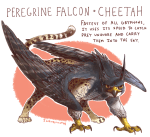
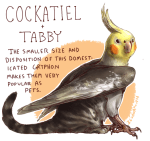
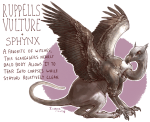
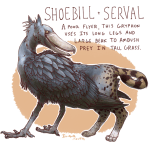
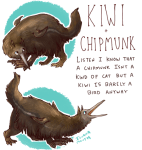
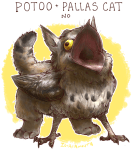
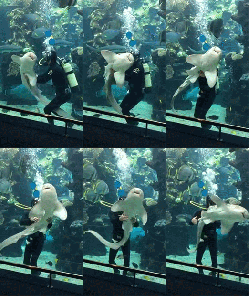
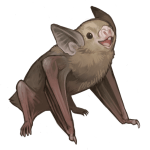
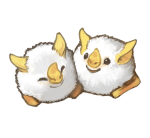
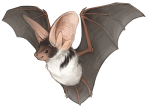
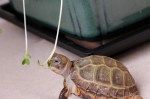
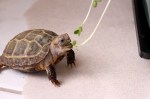
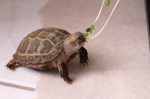
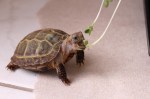
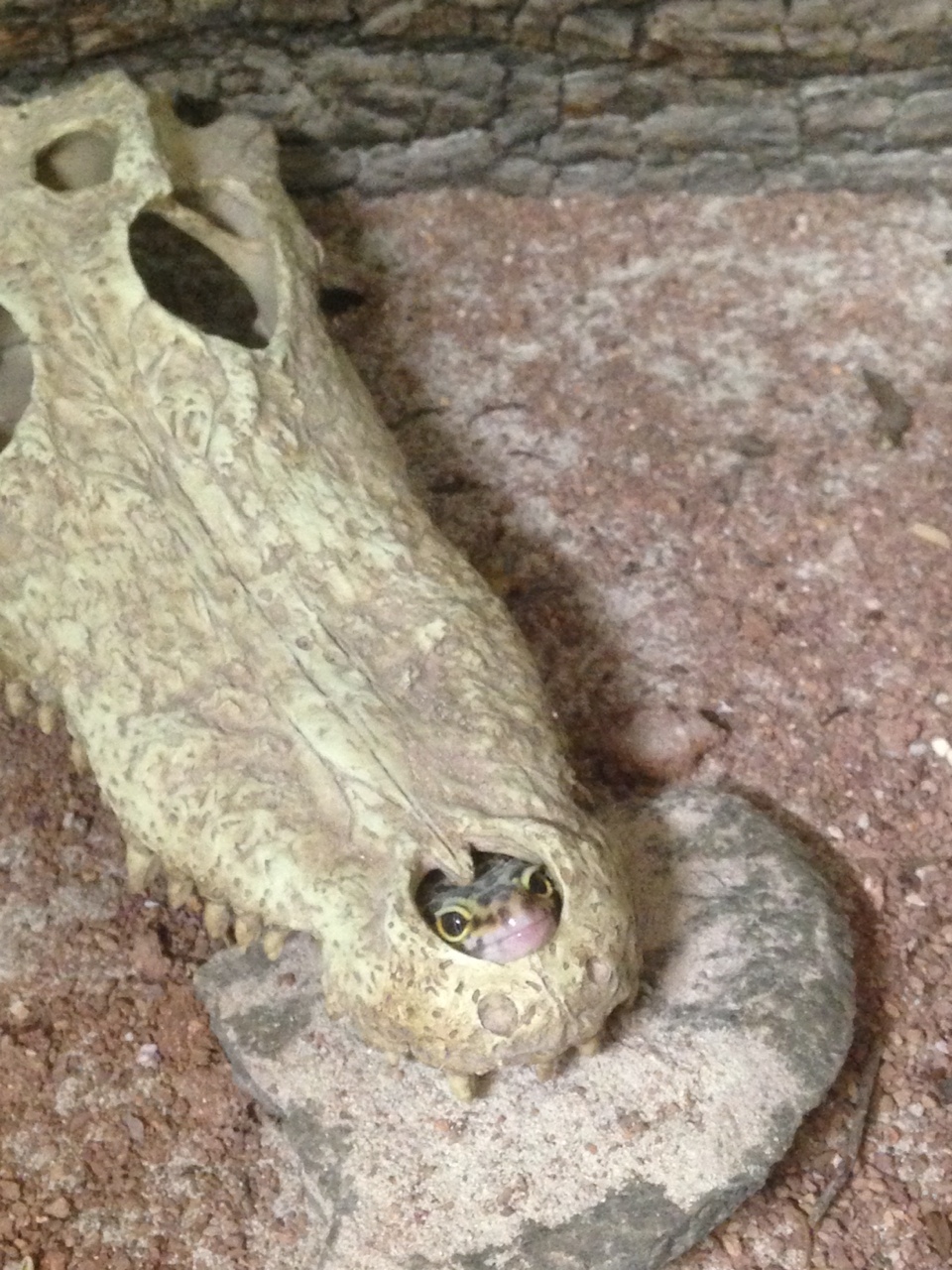
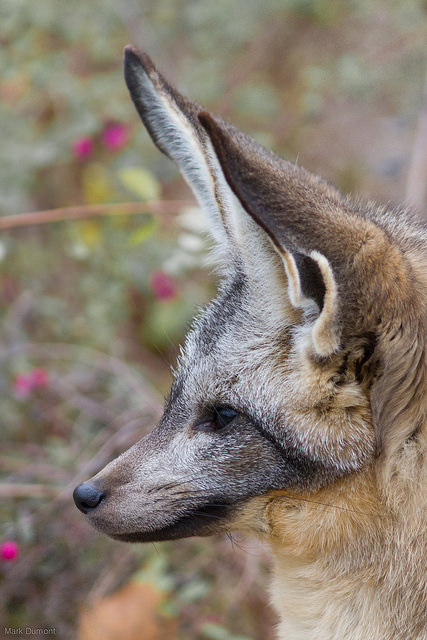
unlike most griffons, the kiwi variety is entirely flightless ! instead it uses its large front talons and sense of smell to burrow underground and forage for roots and insects
notactuallycute this concerns me for some reason, is this okay?
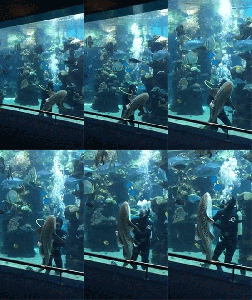
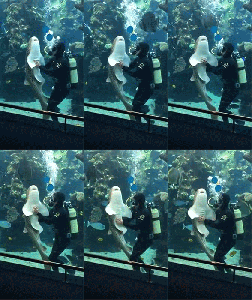
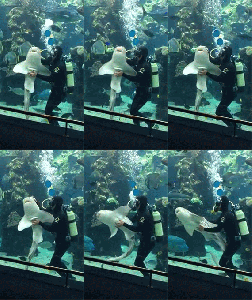
Hello, shorter-url. Your concern is very much understandable! Many people are taught that a shark cannot swim when still, which is partially true.
Sharks mainly breathe via two methods– buccal pumping, in which the shark actively draws water in through its mouth to pass over its gills, and ram ventilation, in which the shark must constantly move to force water over their gills. Buccal pumping is more prevalent in ancient sharks, and while some sharks adapted for bottom-feeding still use it, many modern sharks – like the great white shark – have lost that ability altogether and instead can only breathe via ram ventilation. These are called obligate ram ventilators and they have to keep moving in order to breathe.
This particular shark is an adult S. fasciatum, a Zebra or Leopard Shark, depending on the region. Fortunately, they aren’t obligate ram ventilators and, in fact, have very strong buccal muscles. You can even see them working in the first two gifs. When it starts moving to swim away, the diver lets it go, and there’s no harm for either party.
All the best, Fatanyeros
Also, in my work with nurse sharks (same branch as S. fasciatum) I found them to actually enjoy scritches and petting. They would actively seek them out on their own terms.
My life is infinitely better for knowing some sharks like scritches.
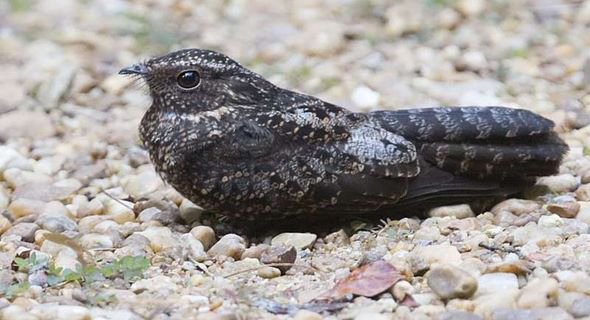
Blackish Nightjar is a relatively small dark nightjar, well named for its predominantly blackish plumage; this coloration provides good camouflage against this nightjar’s preferred microhabitat of granite rock outcroppings in forest clearings and along trails.
This preference means that the species is regularly encountered by ornithologists and birdwatchers, because the species is comparatively easier to find day roosting than many other nightjars in the Neotropics. Blackish Nightjar plumage also lacks any collared effect.
This species occurs from eastern Colombia across much of Amazonian Brazil, north to southern Venezuela and the Guianas, and south to Bolivia, and from sea level to approximately 1200 m.
Due to its undoubted abundance, the breeding biology of Blackish Nightjar is better known than many other Neotropical nightjars.
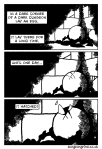
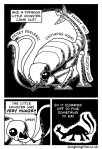
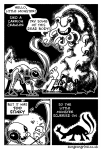
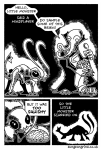
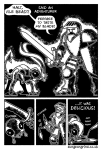
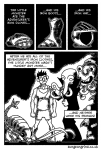
The Very Hungry Rust Monster is a mini-comic I made a few years back. I’ve seen it floating around Tumblr without attribution recently, so I’ve uploaded a higher-resolution version, properly credited.
Tags:
#…aww? #(I didn’t know where this was going) #(I’ve only encountered rust monsters in Nethack) #(and Nethack rust monsters look more like walruses than anything chitinous)