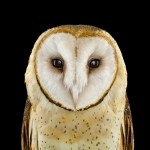
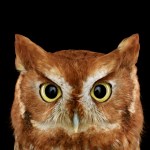
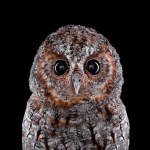
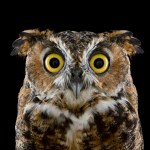
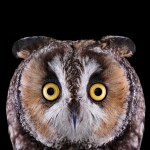
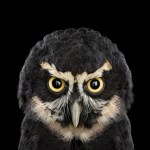
In this stunning series by Brad Wilson, the photographer captures up-close portraits of different owl species.
Tags:
#owl #scopophobia
In this stunning series by Brad Wilson, the photographer captures up-close portraits of different owl species.
Tags:
#owl #scopophobia
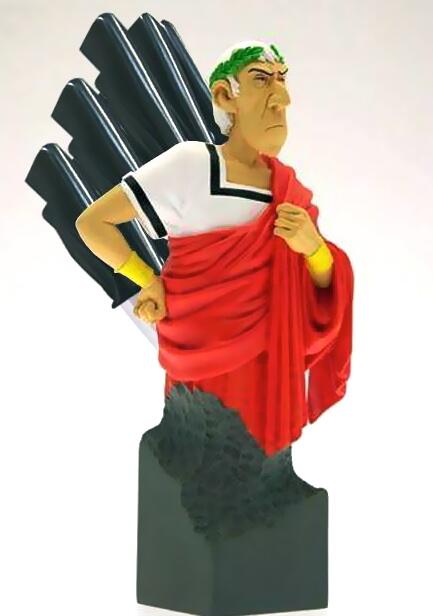
The greatest crisis facing humanity today is that this Uderzo Julius Caesar knife holder is photoshopped, not an actual purchasable item.
Et tu, Brute?
I want this.
Tags:
#Julius Caesar #knives #I’m sure this could be arranged #maybe you could 3D-print one
Suddenly realized that not everyone has seen this yet.
This is a problem.
Tags:
#anything that makes me laugh this much deserves a reblog #(I hadn’t seen it before)








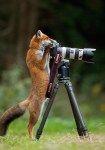
animal photographers. photos by (click pic) stefan meyers, david schultz, igor laptev, will burrard-lucas, simon roy, vadim trunov, michaela walch, ed hetherington, chris du plessis, jim lawrence, paul soulders
Tags:
#adorable
Dire halfling! It’s the size of a man!….wait.
courtesy of our Half-orc bard
Tags:
#anything that makes me laugh this much deserves a reblog
A feature of English which I think is stupid,
If we’re carrying on with this game,
Is how we abolished the thorn and replaced it,
With two letters that meant the same.
The þ was a letter, amazing, astounding,
Perfect in every respect,
Representing the ‘th’ sound and shortening words,
The one thing it didn’t expect;
One day T and H went and burgled its meaning,
And then, thanks to the printing press,
Its symbol mutated and morphed into Y,
Which is pointless, I must confess.
Þoughtlessly, the þ was forgotten,
Þreatened as the language evolved,
Þankful for þose who knew of old English,
A topic where it was involved.
It only survived in Modern Icelandic,
In English it’s treated with scorn,
And as barely anyone knows it exists,
Please try to remember the thorn.
ð!
Saving the thorn from obscurity
Is surely a laudable aim
But if this letter deserves our praise
The eth should receive the same.The scribes of the Anglo-Saxons
interchanged the eth and thorn
until the first one fell from use
and the second was left forlorn,But for the modern Icelander
their roles are more defined
and could improve our English texts
if we were so inclined.The thorn (Þ, þ) denotes a voiceless dental fricative
as in the English ‘think’ or ‘thresh’ but not the ‘th’ in ‘hither,’
whereas the eth (Ð, ð) is a voiced dental fricative
perfect for ‘this’ and ‘that’ and most especially for ‘thither.’So I propose ðey boþ be used
in the Icelandic manner;
ðen students won’t be loaþ to learn
our spelling and our grammar.To þink we’ve never fixed ðis mess
is really quite astounding.
One letter cluster for two sounds?
Ðat’s damnably confounding!
Tags:
#language #poetry #yes this #I have to refer to the phoneme I can’t perceive as ‘theta’ #because English-speakers are more likely to know that letter than to know our own thorn #(and they don’t even always understand me then) #such a shame #(the following category tag was added retroactively:) #fun wif forn fronting
to anyone having a bad day im so sorry also here are some pictures of baby elephants
feel better friend
Tags:
#elephant #adorable
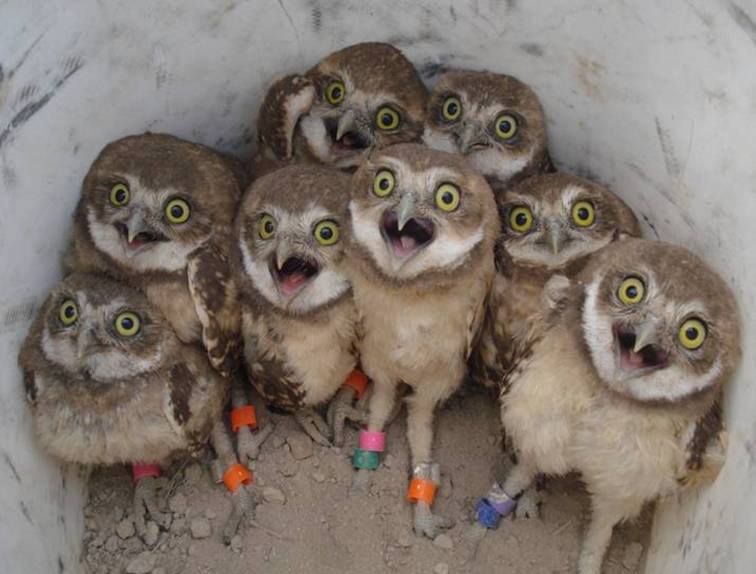
Bear River Migratory Bird Refuge lies in northern Utah, where the Bear River flows into the northeast arm of the Great Salt Lake. The Refuge protects the marshes found at the mouth of the Bear River, providing a critical habitat for migrating birds. More than 250 species move through this area annually by the millions to rest and feed, including ground of burrowing owls pictured here. Photo by Katie McVey, USFWS.
When a super old favorite song comes on the radio.
Tumblr when new gifs roll in
I can hear this photo.
Tags:
#owl #adorable